
Introduction
Artificial Intelligence (AI) is no longer a futuristic concept—it’s the driving force behind the next generation of digital marketing. From creating personalized customer experiences to automating repetitive tasks, AI is helping marketers work smarter, make data-driven decisions, and achieve better results with less effort.
According to industry reports, businesses that effectively integrate AI into their marketing strategies are seeing improvements in customer engagement, lead generation, conversion rates, and return on investment (ROI).
In this guide, we’ll explore how AI is transforming digital marketing, the best AI tools every marketer should know, how leading AI assistants compare, prompt engineering techniques, and practical ways to automate your marketing workflow.
What is AI in Digital Marketing?
Artificial Intelligence in digital marketing refers to the use of machine learning, natural language processing, predictive analytics, and automation technologies to improve marketing activities.
AI can analyze vast amounts of customer data within seconds and provide actionable insights that help marketers:
- Create personalized marketing campaigns
- Generate high-quality content
- Improve SEO performance
- Automate email marketing
- Optimize paid advertising
- Predict customer behavior
- Enhance customer support through AI chatbots
- Improve social media management
Instead of replacing marketers, AI acts as an intelligent assistant that handles repetitive tasks while allowing marketers to focus on strategy and creativity.
Why AI Matters More Than Ever in 2026
Today’s consumers expect personalized experiences across every digital touchpoint. Meeting these expectations manually is nearly impossible.
AI enables marketers to:
- Analyze millions of customer interactions instantly
- Deliver personalized recommendations
- Predict buying behavior
- Optimize advertising budgets automatically
- Generate marketing content in minutes
- Improve campaign performance using real-time insights
Businesses adopting AI are gaining a competitive advantage through faster execution, better decision-making, and more efficient marketing operations.
Top AI Tools Every Digital Marketer Should Use in 2026
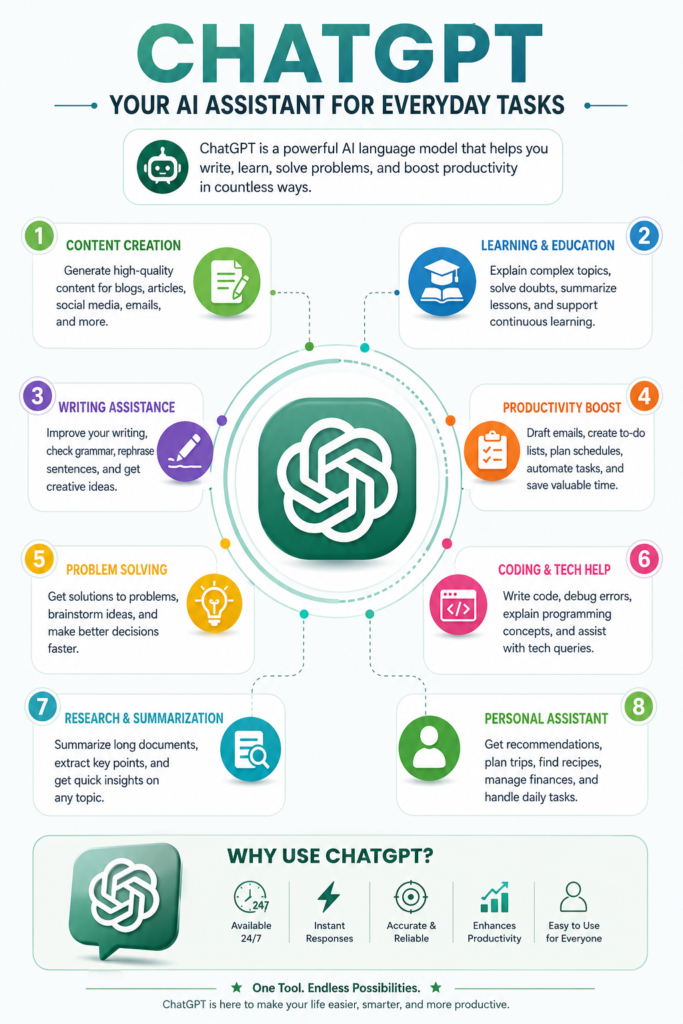
1. ChatGPT
Best for: Content writing, brainstorming, SEO content, email campaigns, social media captions, scripting, and customer support.
ChatGPT helps marketers generate blogs, email campaigns, ad copy, social media posts, and creative marketing ideas in minutes.
Key features:
- Blog writing
- Content strategy
- Ad copy creation
- Prompt-based content generation
- Marketing research assistance
2. Google Gemini
Best for: Research, data analysis, Google Workspace integration, and multimodal AI tasks.
Gemini integrates seamlessly with Google Workspace, making research, planning, and data analysis more efficient.
Ideal for:
- Marketing research
- Campaign planning
- Spreadsheet analysis
- Competitive intelligence
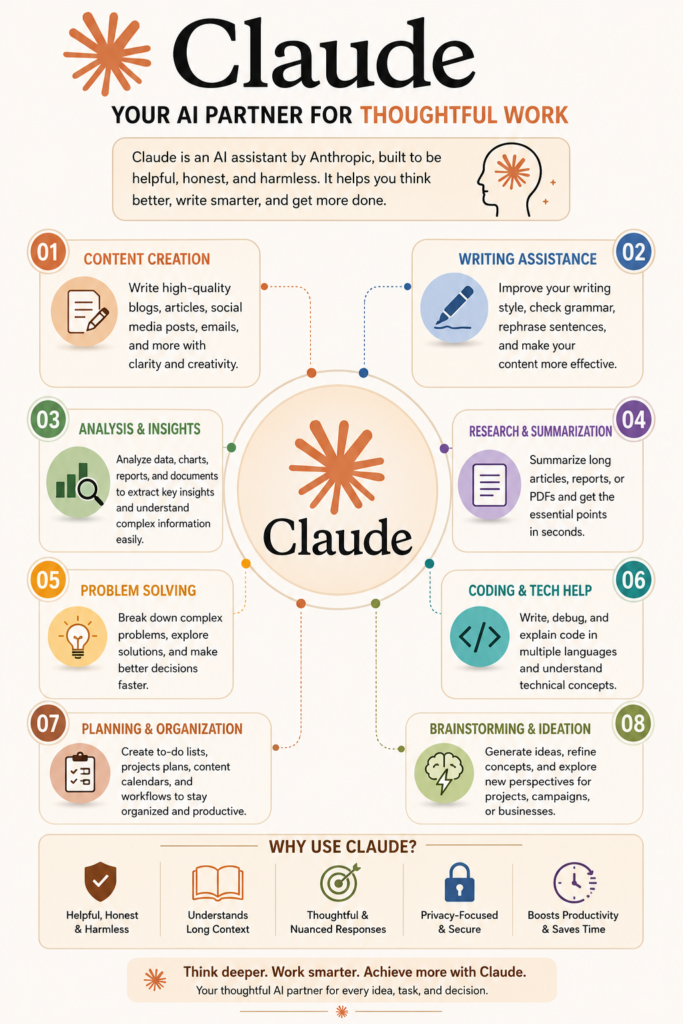
3. Claude
Best for: Claude excels at long-form writing, strategic planning, and maintaining a consistent brand voice.
Long-form writing, document analysis, and strategic marketing planning.
Strengths include:
- High-quality long-form content
- Brand messaging
- Proposal writing
- Marketing reports
- Tone consistency
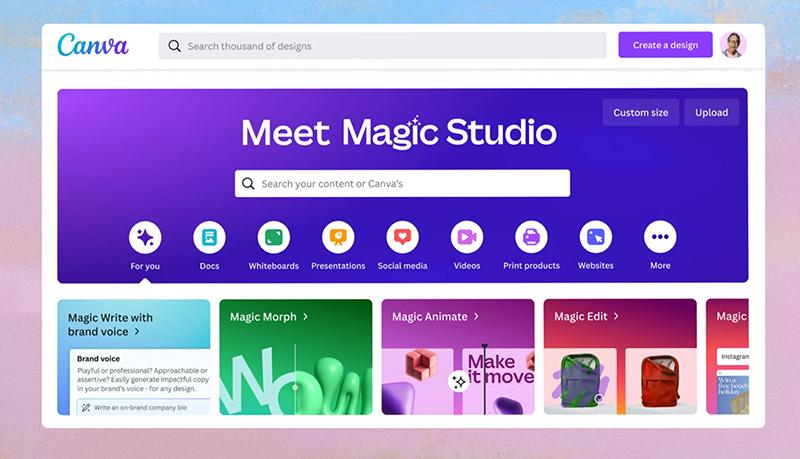
4. Canva AI
Canva AI enables marketers to create stunning visuals, presentations, and social media graphics quickly.
Perfect for:
- Social media graphics
- Presentations
- Brand kits
- AI image generation
- Marketing creatives
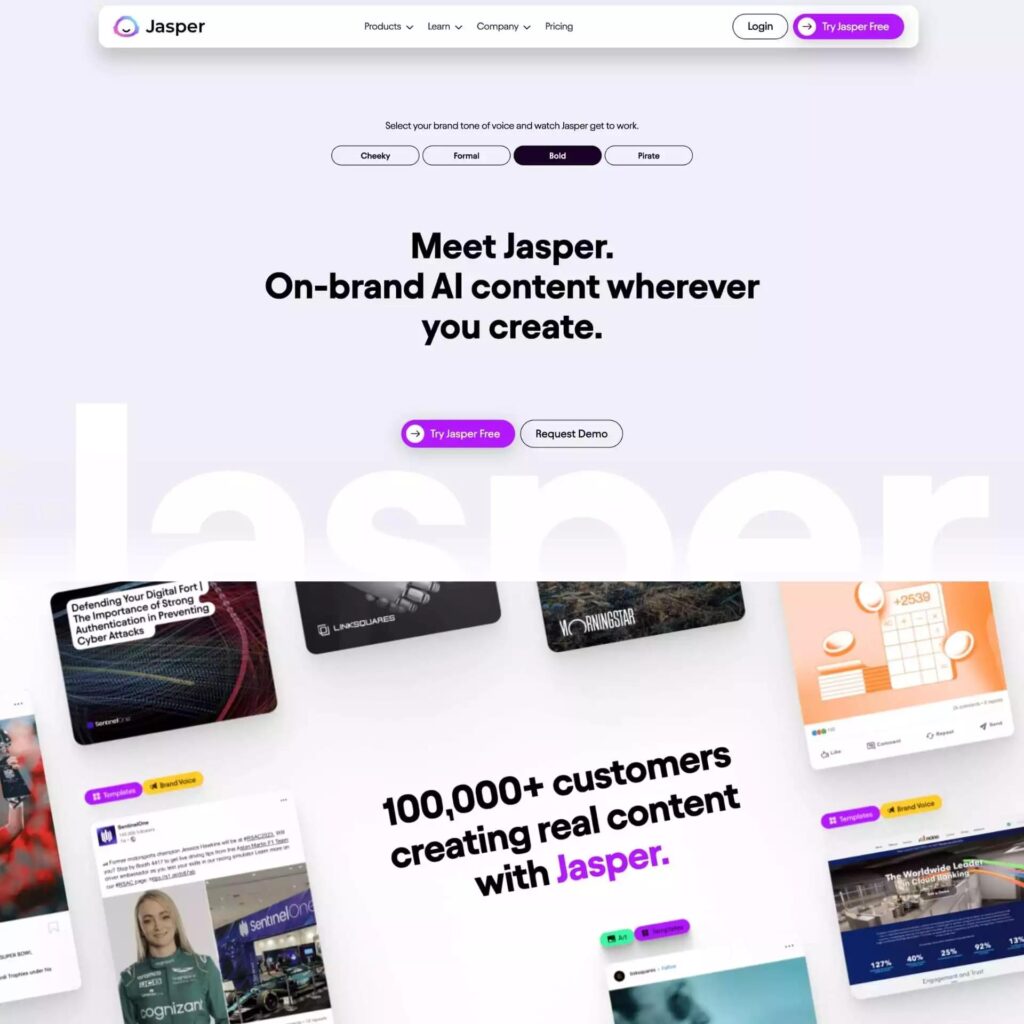
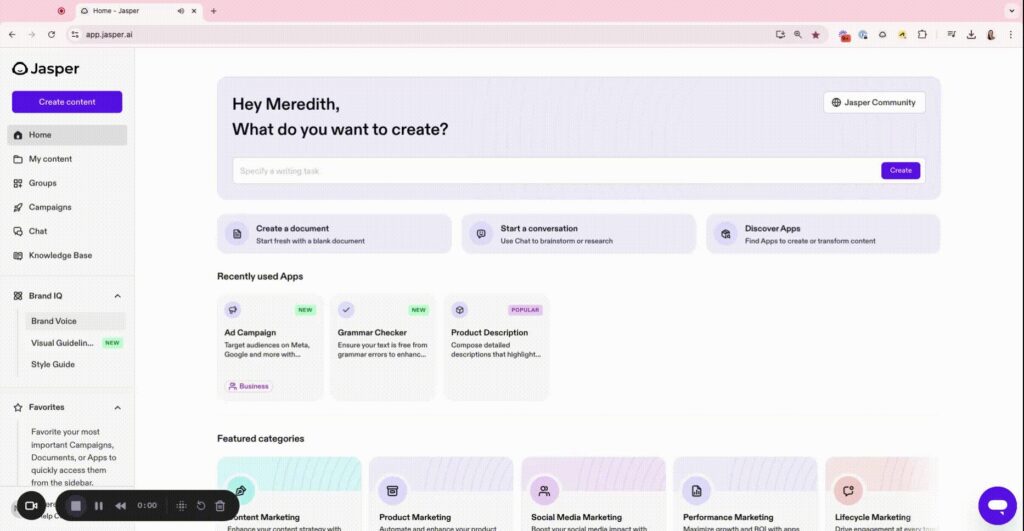
5. Jasper AI
Jasper AI is designed specifically for marketers, offering tools for landing pages, product descriptions, and advertising copy.
Useful for:
- Product descriptions
- Landing pages
- Sales copy
- Content
- Brand voice consistency
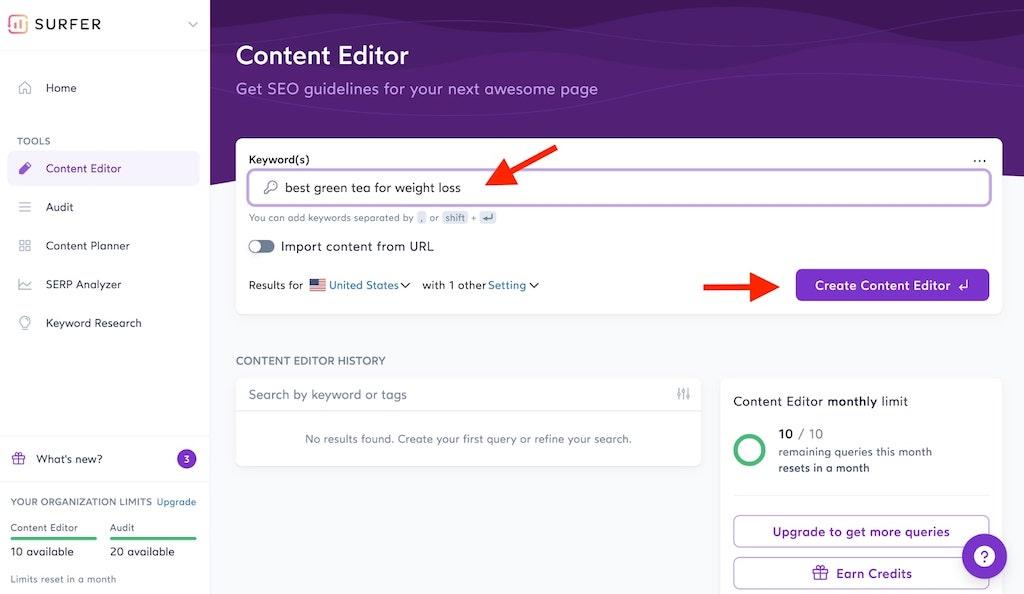
6. Surfer SEO
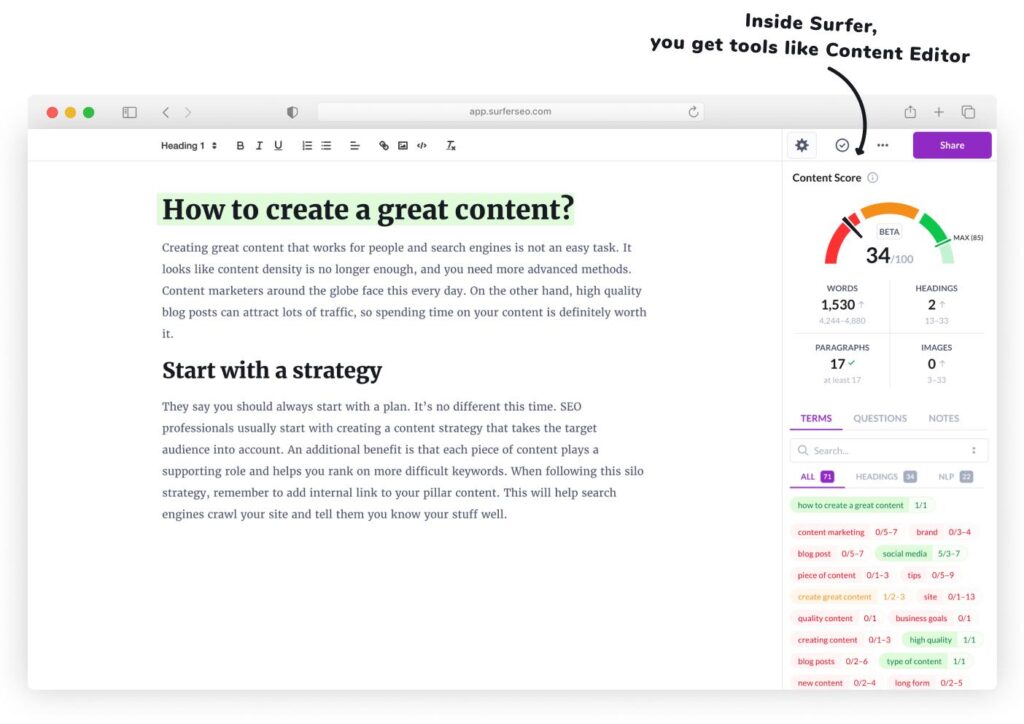
Surfer SEO combines AI insights with search optimization recommendations to improve rankings.In simple terms we can say that it combines AI with SEO recommendations.
Features include:
- Keyword optimization
- Content scoring
- Competitor analysis
- On-page SEO recommendations
7. HubSpot AI
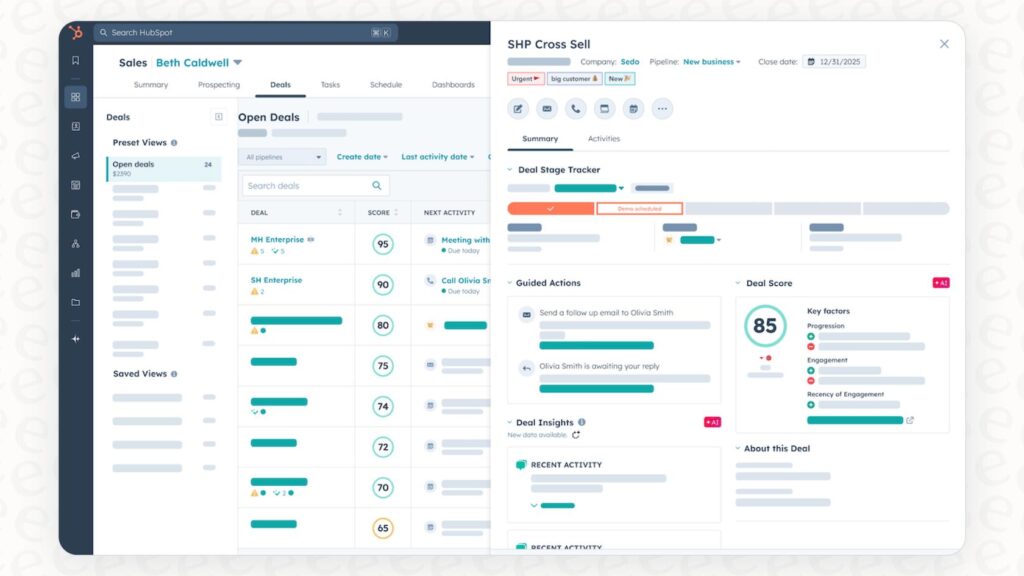
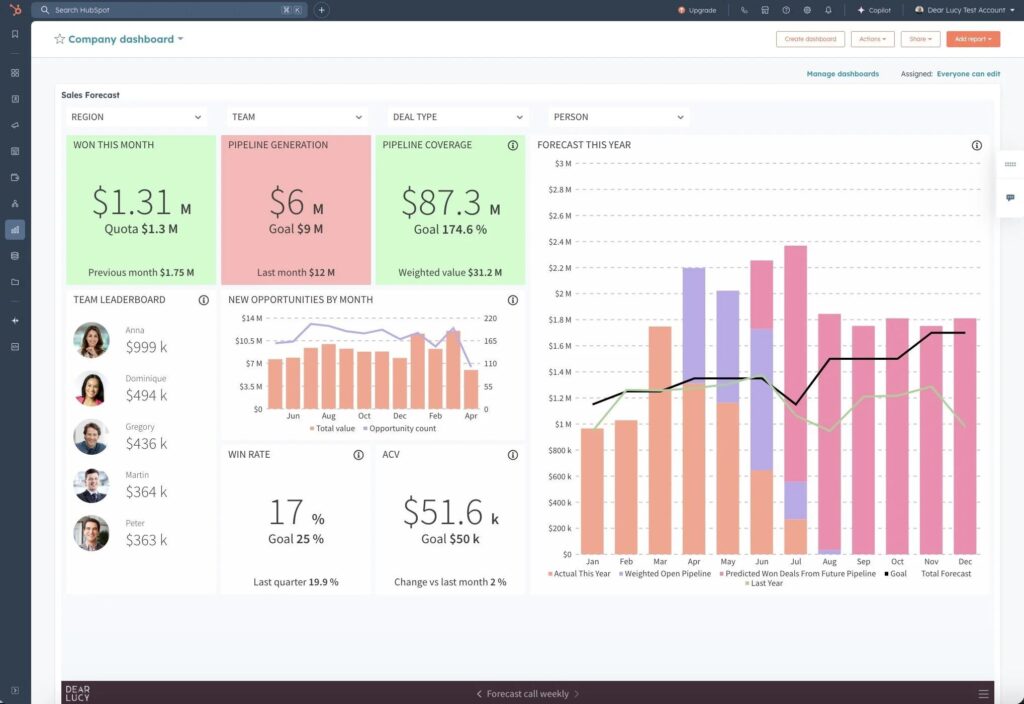
HubSpot AI streamlines CRM, email automation, lead scoring, and customer engagement.
Excellent for:
- CRM automation
- Email campaigns
- Lead nurturing
- Customer segmentation
- Marketing analytics
8. Notion AI
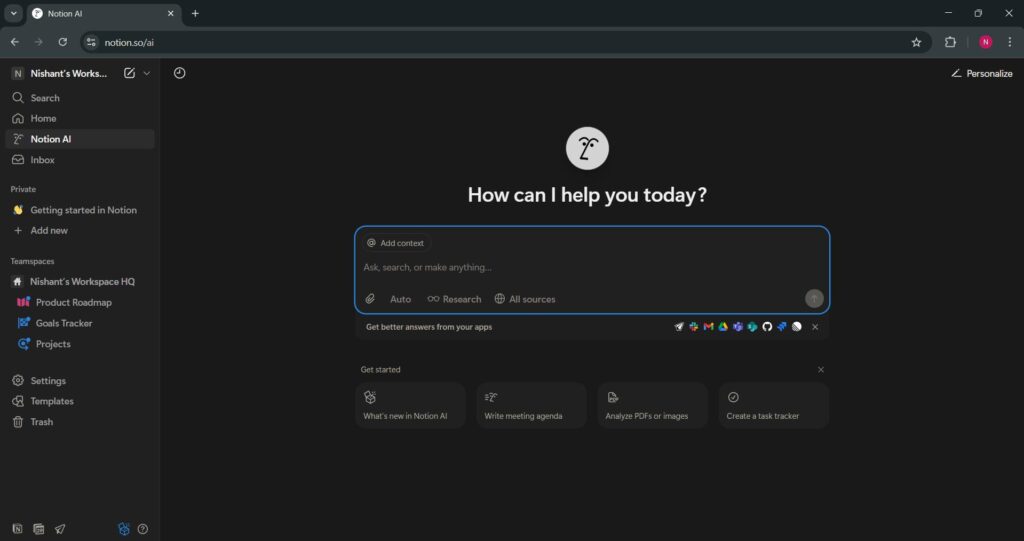
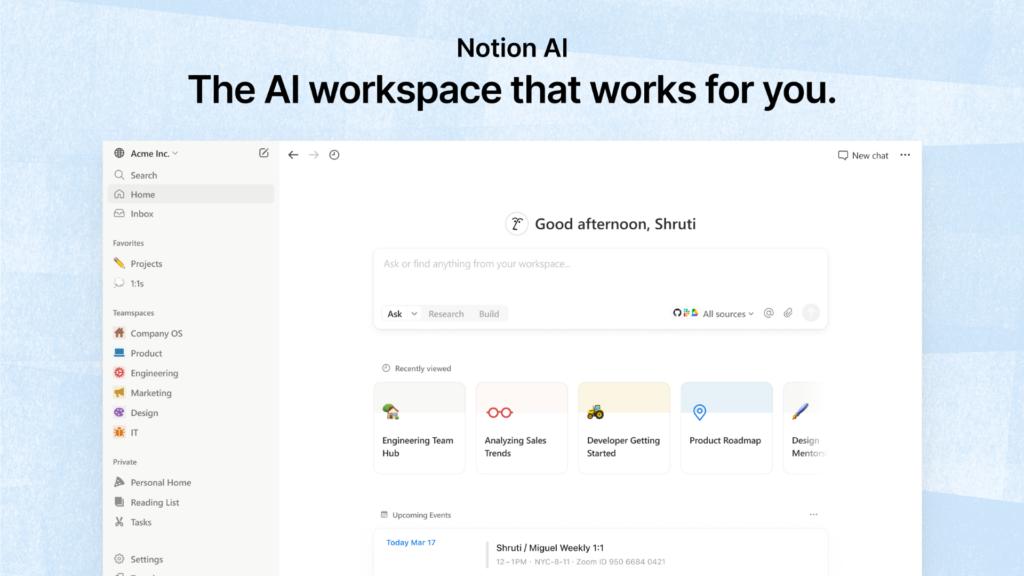
Notion AI simplifies campaign planning, content calendars, documentation, and team collaboration.
Great for:
- Marketing documentation
- Campaign planning
- Meeting notes
- Content calendars
- Team collaboration
How AI Is Transforming SEO and Content Marketing
Search engine optimization has evolved dramatically over the past few years. AI is changing both how marketers create content and how search engines evaluate it.
Smarter Keyword Research
AI tools now identify:
- Search intent
- Long-tail keywords
- Trending topics
- Competitor keyword gaps
- Semantic keyword relationships
This helps marketers produce content that better aligns with what users are actually searching for.
AI-Powered Content Creation
Modern AI assistants can generate:
- Blog outlines
- Meta titles
- Meta descriptions
- Product descriptions
- FAQs
- Landing pages
- Social media posts
This accelerates content production while allowing marketers to focus on refining ideas and ensuring originality.
Better Content Optimization
AI-powered SEO platforms analyze factors such as:
- Readability
- Internal linking
- Keyword distribution
- Topical authority
- User intent
- Content structure
These insights help improve both search visibility and user experience.
Personalized Content Experiences
AI enables websites to deliver personalized content recommendations based on visitor behavior, increasing engagement and conversion rates.
Predictive SEO
Instead of reacting to search trends, AI helps marketers identify emerging opportunities before they become highly competitive.
ChatGPT vs Gemini vs Claude: Which AI Is Best for Marketers?
| Feature | ChatGPT | Gemini | Claude |
|---|---|---|---|
| Content Writing | ⭐⭐⭐⭐⭐ | ⭐⭐⭐⭐ | ⭐⭐⭐⭐⭐ |
| Research | ⭐⭐⭐⭐ | ⭐⭐⭐⭐⭐ | ⭐⭐⭐⭐ |
| SEO Assistance | ⭐⭐⭐⭐⭐ | ⭐⭐⭐⭐ | ⭐⭐⭐⭐ |
| Brainstorming | ⭐⭐⭐⭐⭐ | ⭐⭐⭐⭐ | ⭐⭐⭐⭐⭐ |
| Long Documents | ⭐⭐⭐⭐ | ⭐⭐⭐⭐ | ⭐⭐⭐⭐⭐ |
| Google Workspace Integration | ⭐⭐⭐ | ⭐⭐⭐⭐⭐ | ⭐⭐⭐ |
| Marketing Strategy | ⭐⭐⭐⭐⭐ | ⭐⭐⭐⭐ | ⭐⭐⭐⭐⭐ |
Now the most important question that comes to your mind-Which tool Should You Choose?
Choose ChatGPT if you need:
- Versatile marketing support
- Blog writing
- SEO content
- Campaign ideation
- Prompt-based workflows
Choose Gemini if you need:
- Deep research
- Google ecosystem integration
- Data-heavy marketing tasks
Choose Claude if you need:
- Long-form content
- Strategic documents
- Brand messaging
- Detailed reports
Many marketing teams now use multiple AI assistants, selecting the one that best fits each stage of their workflow.
AI Prompt Engineering for Marketing Success
The quality of AI-generated output depends heavily on the quality of the prompt you provide.
Prompt engineering is the skill of writing clear, structured instructions that guide AI toward producing accurate, relevant, and high-quality results.
Example 1: Poor Prompt
Write a blog about SEO.
Example 2: Better Prompt
Write a 2,000-word SEO-friendly blog for beginners explaining modern SEO strategies in 2026. Include headings, practical examples, FAQs, and a conclusion. Use a professional yet conversational tone.
The second prompt gives the AI more context and produces a more useful result.
Tips for Better AI Prompts
- Define the target audience.
- Specify the desired tone and writing style.
- Include the purpose of the content.
- Mention the preferred word count.
- Request headings, examples, or FAQs where appropriate.
- Ask the AI to optimize for search intent rather than simply inserting keywords.
Well-crafted prompts save time, reduce editing, and improve content quality.
How to Automate Your Marketing Workflow with AI
One of AI’s greatest strengths is automation. By connecting AI tools with your existing marketing stack, you can streamline repetitive tasks and focus on strategic initiatives.
Content Creation
Automate:
- Blog outlines
- Social media posts
- Email drafts
- Ad copy
- Product descriptions
Social Media Management
AI can:
- Generate captions
- Suggest hashtags
- Schedule posts
- Analyze engagement
- Recommend posting times
Email Marketing
Use AI to:
- Personalize email campaigns
- Segment audiences
- Optimize subject lines
- Predict send times
- Build automated customer journeys
Lead Generation
AI-powered CRM systems can:
- Score leads
- Prioritize prospects
- Trigger follow-up emails
- Recommend next actions
- Identify high-value opportunities
Marketing Analytics
AI dashboards automatically:
- Track KPIs
- Detect trends
- Generate reports
- Forecast performance
- Recommend campaign optimizations
Best Practices for Using AI Responsibly
While AI offers tremendous benefits, it should complement—not replace—human expertise.
- Always review AI-generated content for accuracy.
- Add original insights and examples to maintain authenticity.
- Protect customer privacy and comply with data regulations.
- Be transparent about AI-assisted content when appropriate.
- Maintain a consistent brand voice through human editing.
The most effective marketing combines AI efficiency with human creativity, empathy, and strategic thinking.
The Future of AI in Digital Marketing
As AI continues to evolve, marketers can expect:
- Hyper-personalized customer experiences
- Advanced predictive analytics
- Voice and visual search optimization
- Autonomous AI marketing agents
- Smarter conversational commerce
- Real-time campaign optimization
- Deeper integration across marketing platforms
Organizations that embrace AI today will be better positioned to adapt to tomorrow’s rapidly changing digital landscape.
Final Thoughts
Artificial Intelligence is transforming digital marketing by making campaigns smarter, faster, and more effective. From AI-powered content creation and SEO optimization to workflow automation and personalized customer experiences, marketers now have access to tools that can dramatically improve productivity and results.
However, AI delivers the greatest value when paired with human creativity, strategic thinking, and ethical decision-making. By learning how to use AI tools effectively, mastering prompt engineering, and integrating automation into everyday workflows, businesses of all sizes can build stronger customer relationships and stay ahead in the competitive digital marketplace.
The future of marketing is not AI replacing marketers—it is marketers using AI to achieve more than ever before.
Frequently Asked Questions (FAQ)
What is AI in Digital Marketing?
Artificial Intelligence in digital marketing uses technologies such as machine learning, automation, and natural language processing to optimize campaigns, personalize customer experiencesand improve marketing efficiency.
Which AI tool is best for digital marketers?
The best tool depends on your needs. ChatGPT is highly versatile for content creation and ideation, Gemini is strong for research and Google Workspace integration, while Claude excels at long-form writing and strategic documents.
Can AI improve SEO?
Yes. AI assists with keyword research, content optimization, search intent analysis, internal linking suggestions, and identifying ranking opportunities, helping improve overall SEO performance.
Is AI replacing digital marketers?
No. AI automates repetitive tasks and enhances productivity, but human creativity, strategic thinking, and relationship-building remain essential for successful marketing.
How can beginners start using AI in marketing?
Begin by using AI for blog writing, social media content, email drafts, keyword research, and campaign planning. Learn prompt engineering to get more accurate and useful outputs from AI tools.